-

Selective Eating & ARFID: How Parents Can Support Food Variety Without Pressure
If you have a child who eats a very small range of foods or has ARFID, mealtimes can become stressful for everyone. You may worry about whether they are getting enough nutrition, feel frustrated when they refuse foods, or wonder whether you should be encouraging them to try more. Your child may also be…
-
Beyond Emotional Eating: The Many Reasons Why We Eat (And Why It’s Not Just About Emotions)
Beyond Emotional Eating: The Many Reasons Why We Eat When people describe themselves as an “emotional eater”, there is often more to it than that. Many people feel like they have no willpower, no self-control, or that something is “wrong” with them. It feels shameful. But what if emotional eating is only one small…
-

Rigid Thinking Around Food and Recovery: Why Flexibility Matters (Even When It’s Hard)
Many people struggling with food find themselves stuck in patterns of thinking. They might have rigid thinking around food such as: These thoughts can show up in people with eating disorders, neurodivergent individuals, or both. While routines and predictability can feel safe, there comes a point when rigid thinking around food often reduces flexibility,…
-

Neurodivergent Meal Planning: Why Traditional Meal Plans Often Fail
For many people, meal plans sound like the perfect solution: structured, organised, and designed to make eating “easy.” But in reality, neurodivergent meal planning often looks different from traditional meal planning approaches which often fail. This isn’t because someone is “lazy,” “unmotivated,” or “not trying hard enough.” Often, the plan itself simply doesn’t match…
-

What To Do On A Low Capacity Food Day
A low capacity food day happens to everyone—but they’re especially common if you’re neurodivergent, busy, overwhelmed, stressed, or just running low on energy. Some days, feeding yourself feels simple. Other days, it feels like climbing a mountain just to make toast. The goal on these days isn’t to eat “perfectly.” It’s to eat enough,…
-

Moving Beyond Body Comments: A Gentle Shift in How We Compliment
Let’s start with honesty: it can be hard not to make body comments, even when we mean well. We’ve been socialised to do it. “You look amazing.” “Have you lost weight?” “You’re so tiny!” These phrases roll off the tongue because they’re familiar and usually well-intentioned. Body compliments are normal. Most of us give…
-

Executive Function & food
Executive Dysfunction Is Not Non-Compliance You want to do the thing. You know it matters. You may even care deeply about it, and yet… it doesn’t happen. From the outside, this can look like avoidance, laziness, defiance, or “non-compliance”, but very often, what’s actually happening is executive dysfunction. What Is Executive Dysfunction? Executive dysfunction…
-

Pathological Demand Avoidance (PDA) and Feeding Challenges
For some children, especially those with a profile called Pathological Demand Avoidance (PDA), mealtimes are not just about food. They’re about safety, autonomy, and anxiety. And once you understand the lens of PDA, a lot of the confusing behaviour starts to make sense. What is PDA? Pathological Demand Avoidance (PDA) is a profile on…
-

Faecal Loading: A Common but Often Overlooked Cause of Digestive Discomfort
Digestive issues can be uncomfortable to talk about, but that doesn’t make them any less real or important. One condition we often see, especially in people experiencing chronic constipation, is faecal loading. If you’ve ever felt persistently bloated, struggled with irregular bowel movements, or noticed a loss of appetite due to abdominal fullness, faecal…
-

Understanding the Window of Tolerance: A Guide for Parents
Parenting can be one of the most rewarding roles we will ever have, but it can also be incredibly challenging. From tantrums and big emotions to everyday battles about screen time, food, or routines, it is easy to feel overwhelmed. That is where understanding the Window of Tolerance comes in. This simple but powerful…
-

Understanding Responsive Feeding Therapy and How It Can Help Your Family
You’ve tried everything: cutting sandwiches into stars, hiding vegetables in muffins, negotiating just one more bite. Maybe you’ve even Googled “why won’t my child eat” at 2 am, scrolling through advice that only made you feel more overwhelmed. You’re not a bad parent. You’re a parent who cares. Feeding challenges are incredibly common. They…
-

Feeding Selective Eaters: Building Trust and Confidence at Mealtimes
Feeding children can be one of the most emotionally charged parts of parenting, especially when you’re dealing with a selective eater. Whether your child refuses all vegetables, only eats white foods, or gets stuck on the same lunch for months, it’s easy to feel defeated and unsure about what to do next. The good…
-
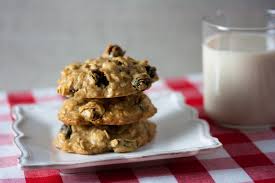
Easy Kid-Friendly 20-Minute Biscuits
These biscuits are perfect for a snack or school lunches. Only 4 ingredients and you can whip them up from start to finish in 20 minutes!
-
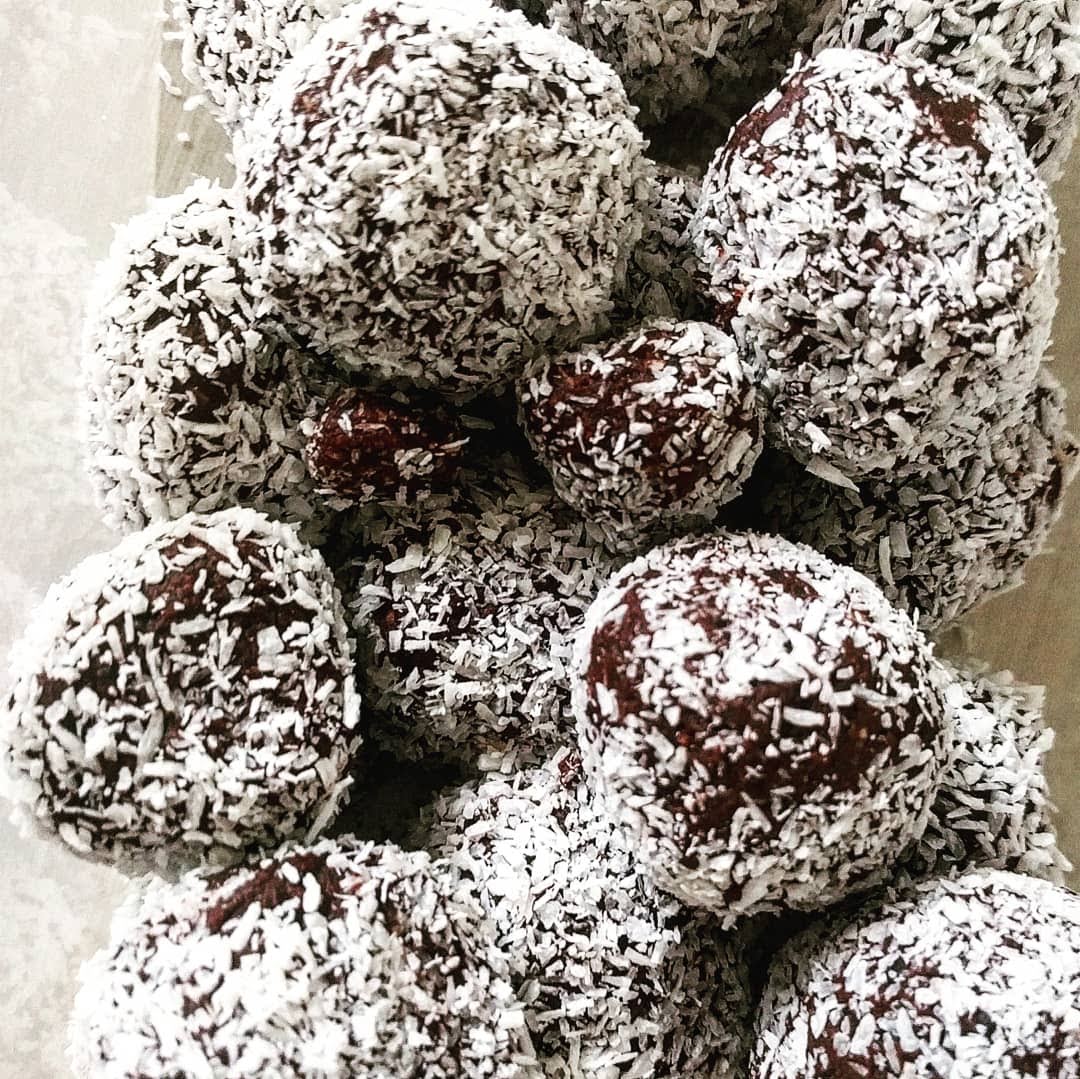
Truffle Balls
The magic ingredient in this recipe is black beans! They give the truffle balls the smooth and soft mouthfeel. Black beans are packed with nutrients and are super easy to use. Either buy a can or cook your own. Black beans are a type of legume and count as part of the vegetable food…
-
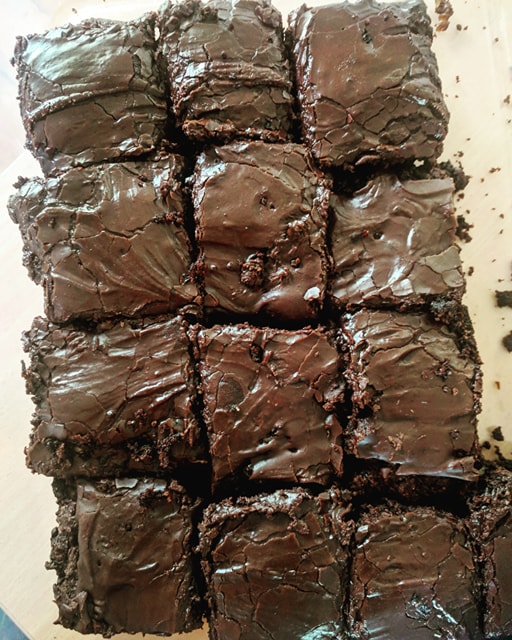
Zucchini Vegan Chocolate Brownies
The salt in the brownie helps draw the moisture out of the zucchini which contributes to the delicious gooey-ness of the brownie. CAUSE FOOD SCIENCE IS SO COOL… NO ONE can tell there is zucchini in here as they are just as satisfying and delicious as regular brownie.
-
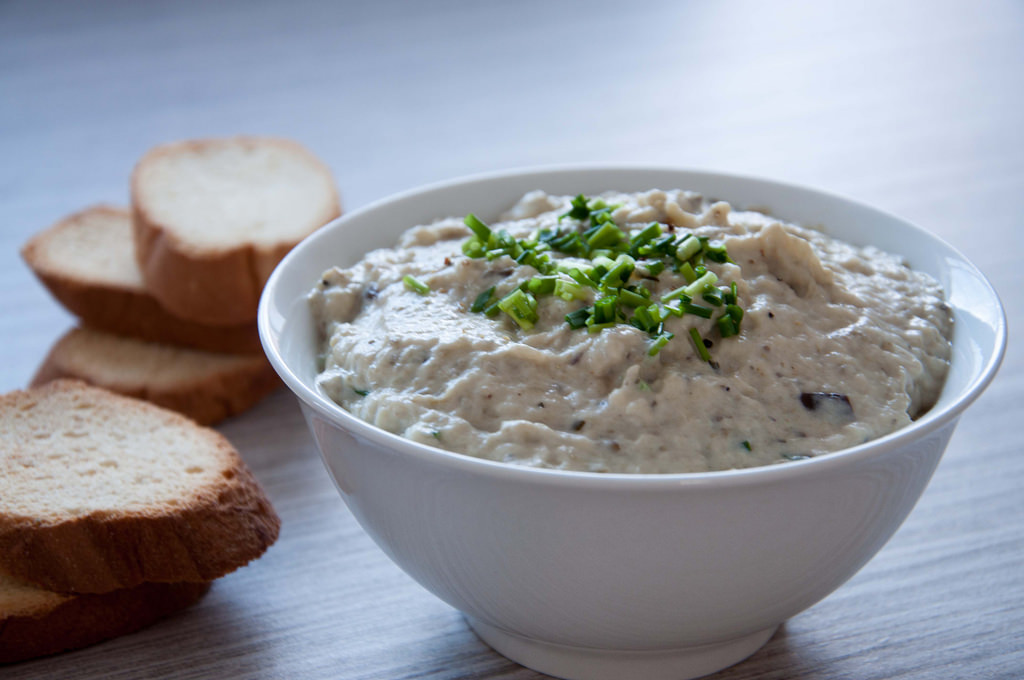
Baba Ganoush (Eggplant Dip)
Have you ever heard of Baba Ganoush? It’s basically hummus made with eggplant instead of chickpeas. Yum! Ingredients
-
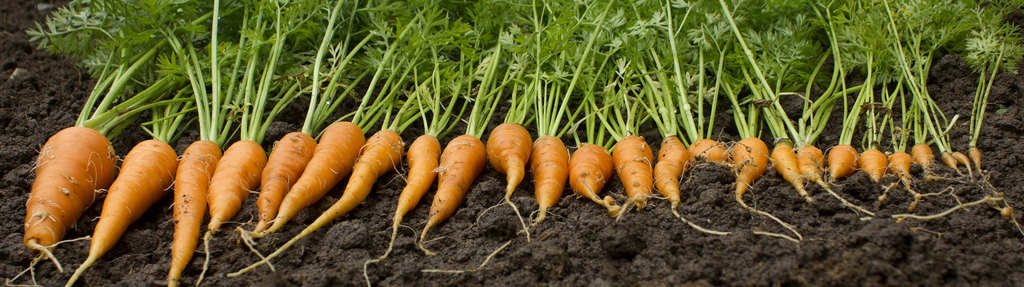
Carrot Greens Chimichurri
1 month ago, I hadn’t heard of Chimichurri. Then I grew carrots and the rest is history! Ingredients:
-
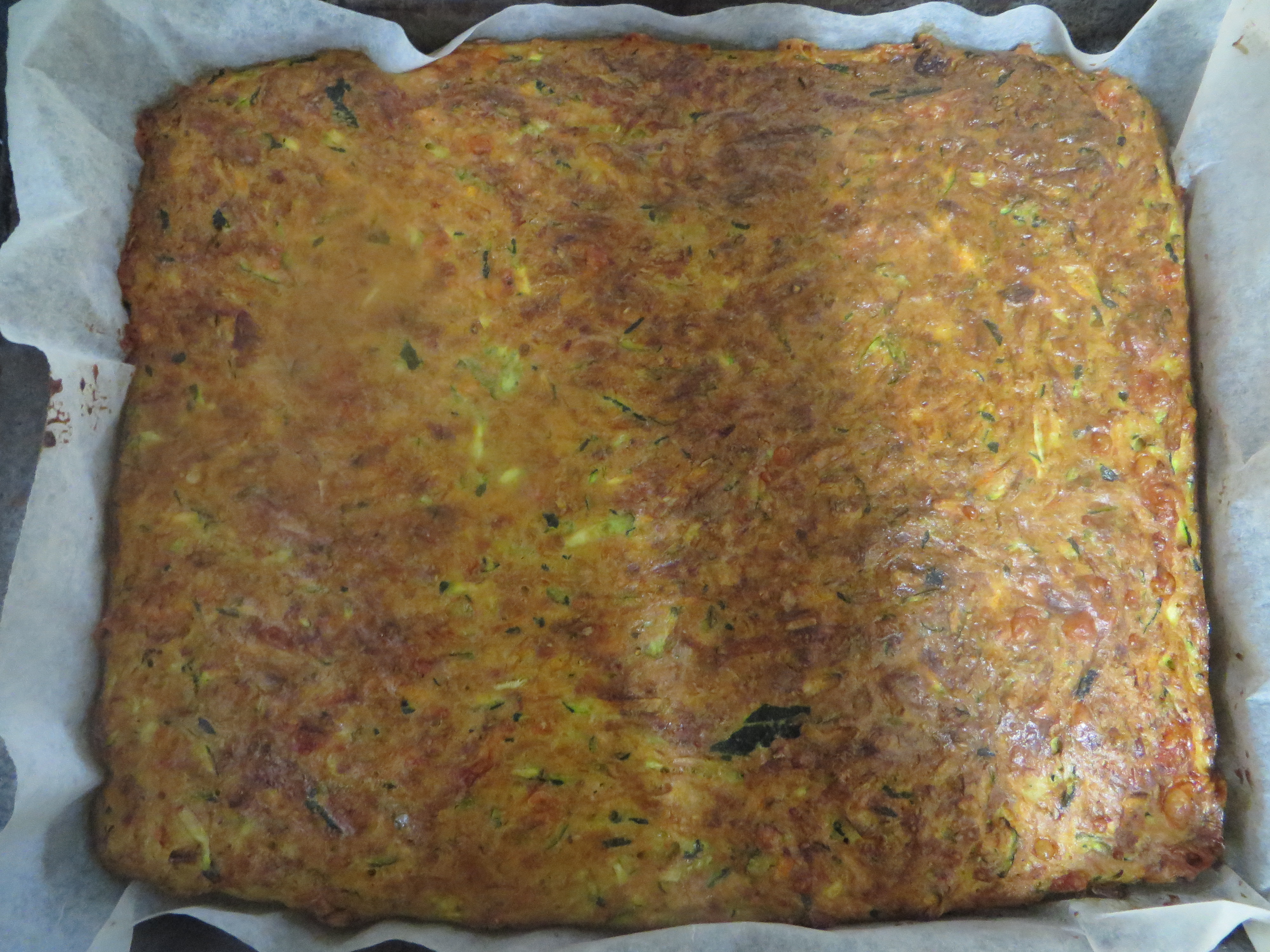
The Healthiest Zucchini Slice
Zucchini slice is a classic and usually a winner with kids. I’ve changed the proportions and types of a few things to maximise the health benefits you can get from your slice.
-
Vegan Palak Paneer (minus the paneer)
Tasty and green?! It’s unheard of! This is a great recipe for getting in a big bunch of greens or using up some greens if you’ve got a garden. Ingredients
-
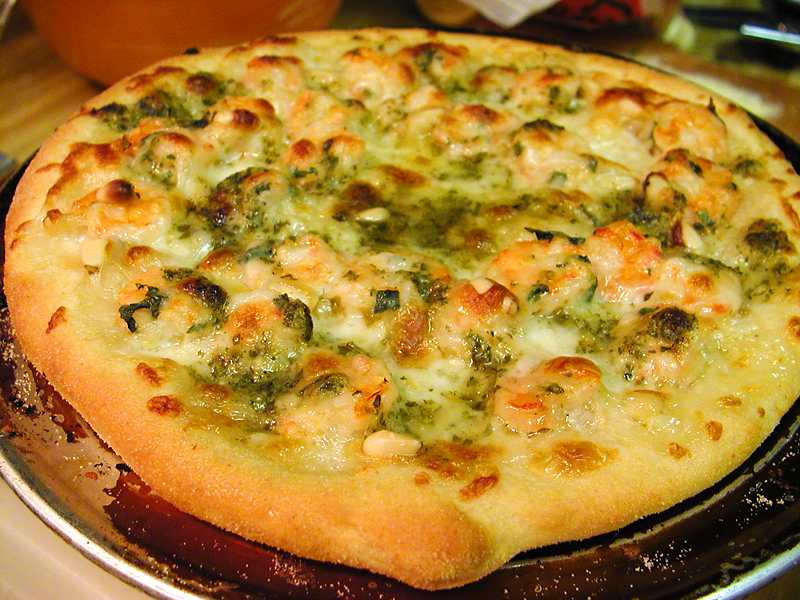
Pesto recipe with… whatever greens you’ve got
Pesto is a great way to get your daily greens and healthy oils. Did you know that increasing your intake of healthy oils can decrease your unwanted cholesterol? It’s PESTO TIME!!
-
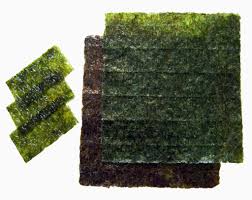
Delicious Green Seaweed Crisps (Chips)
Ingredients (serves 2): 4 sheets of nori seaweed (from the Asian food section of supermarket) Water in a spray bottle
-
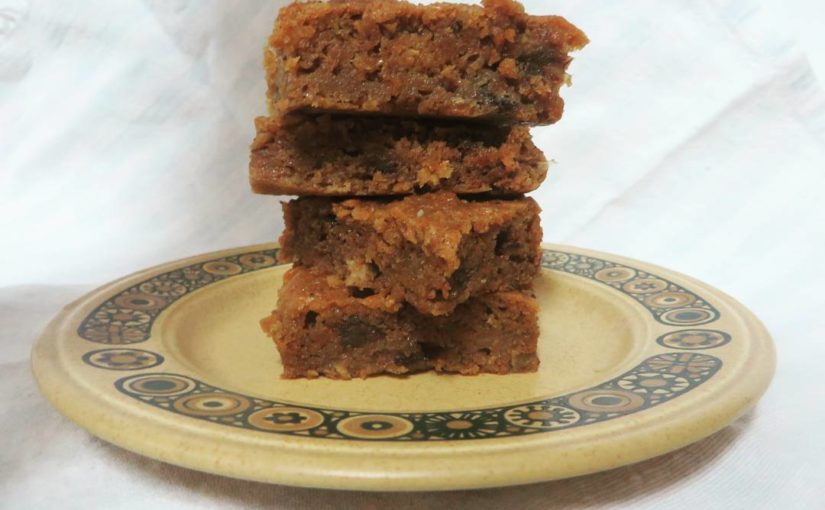
Vegan Carrot Cake Slice
“I’m always on the search for vegan recipes for my stepmom- this will be perfect. Thanks!”
-
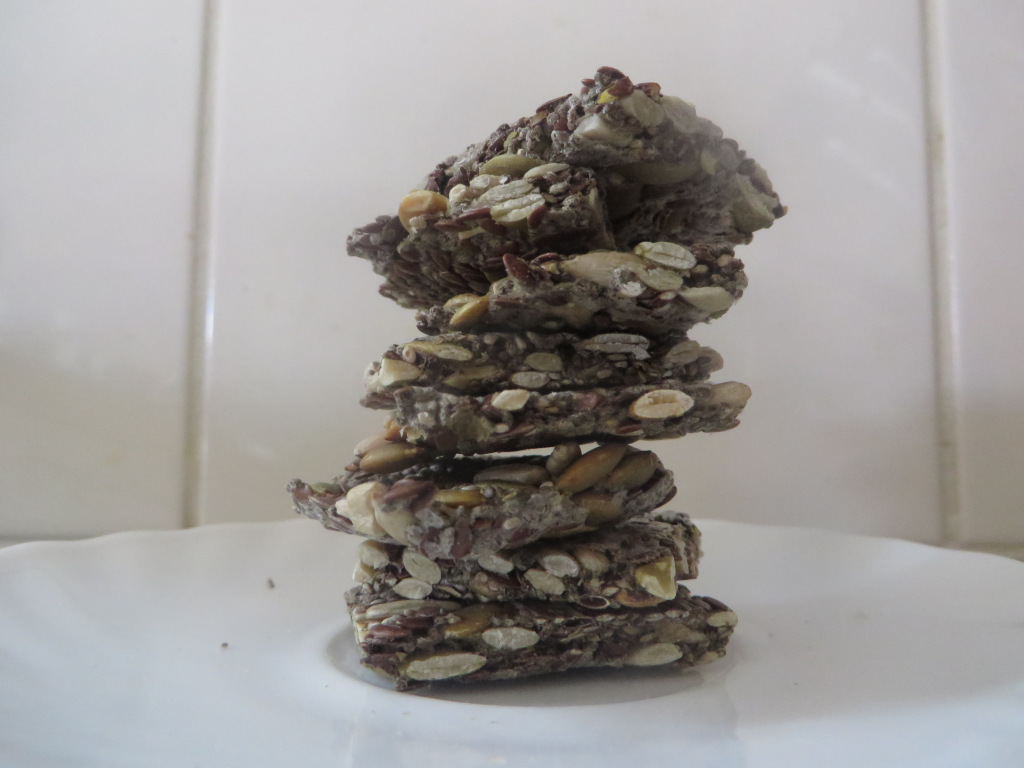
Vegan Seedy Crackers
Great served with tomato and cheese on top, dipped in hummus or as a snack by themselves. Only a few of these crackers each day will help you achieve your daily omega 3 fatty acid requirements.
-
-